
Workflow Support
Trace IDs make integration support less mysterious
When a workflow crosses tools, a trace identifier gives support a thread to follow through requests, jobs and notifications.
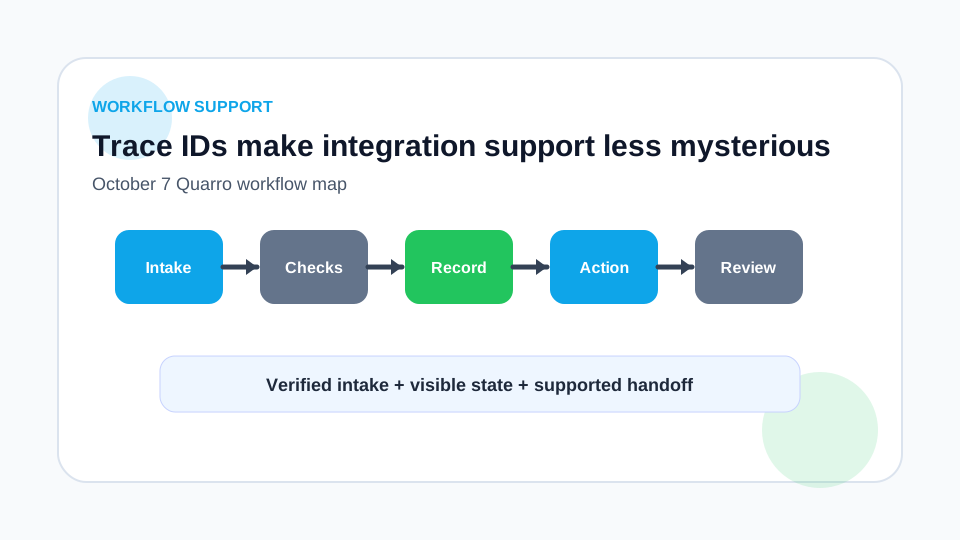
Support needs a thread through the workflow
A business workflow may start with a form, create a CRM record, enqueue a background job, call an external API and post a notification. When something looks wrong, each system may have its own logs and timestamps. Without a shared identifier, support has to match events by approximate time and customer name.
A trace ID gives the team a thread. It does not replace domain records such as order ID or customer ID, but it connects the technical path of a single attempt.
Use a standard shape where possible
The W3C Trace Context recommendation defines the traceparent header and a processing model for receiving, creating and forwarding trace context. It describes fields such as trace-id, parent-id and trace-flags, and explains how vendors update parent-id for outgoing requests.
Even if a small internal tool does not implement full distributed tracing on day one, the standard points to a useful habit: carry a stable request or trace identifier across boundaries instead of inventing a different support token in every component.
Propagate across async work too
Many operational failures happen after the initial HTTP request succeeds. The export job runs later, the notification retries, or the sync worker handles a queued event. Put the trace ID into job payloads, event ledgers and notification metadata so the later work can still be connected to the original intake.
If a provider strips custom headers, record the trace ID in the payload or local event table where appropriate. The goal is not perfect observability theater; it is a reliable path from user report to the relevant records.
Keep sensitive data out of identifiers
A trace ID should not contain a customer email, file name, secret, diagnosis or message body. Use random or standard-compliant identifiers and store sensitive context behind normal authorization. Support tools can then search by trace ID without leaking private information through URLs, logs or chat messages.
Also decide retention. Debug identifiers are useful only if they last long enough to support the workflow, but they should not become an indefinite shadow record of every interaction.
Start with the next painful handoff
Quarro can add trace IDs to the workflow paths that cause the most support confusion: form to CRM, import to report, webhook to task, or background job to notification. The first version can be simple: generate, store, propagate and show the ID in a support view. That one thread often turns a mystery into a repairable workflow.